📄 Read the full script
Client: Milan Savov
Format: Long form
Published: 2026-02-15
Views: 981
Video: https://www.youtube.com/watch?v=OCvAgYmYgt8
Runtime: 46 min 7 sec (8,261 words)

The script, as delivered on camera

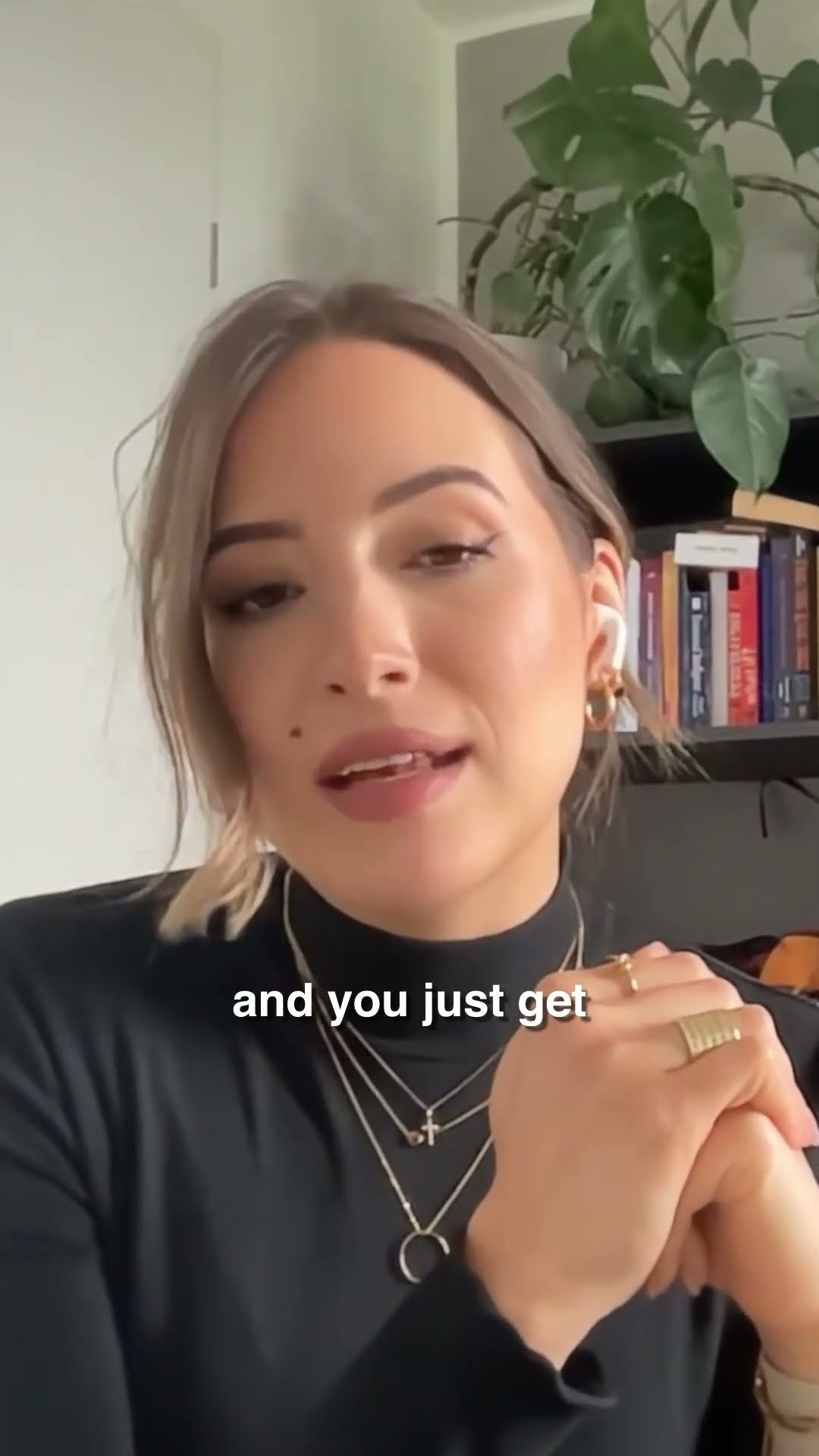
Businesswise, I'm a salesgirl. I've been in sales for many years now and feel like at this point it's a big part of my personality. Even like, you know, my friends and people outside work are like, you're never not selling something.

Like, yeah, I think it was just like a lot of hard work and never giving up and like learning and evolving and like absorbing everything from everyone else I thought it was good at what we were doing. The resilience and relentless were some of the things that I learned that you need to have in sales. What makes this story interesting isn't just the role she is in, but is the path she took to get there.

So, her career in sales wasn't linear. It came with a lot of mistakes, learnings, and moments of self-doubt. Welcome to a new episode of Leaders of Growth. I'm Milan Savov, CEO of Smartly, where we help B2B SaaS companies get to the top of air searches and Google and turn visibility into high-quality organic leads and pipeline.

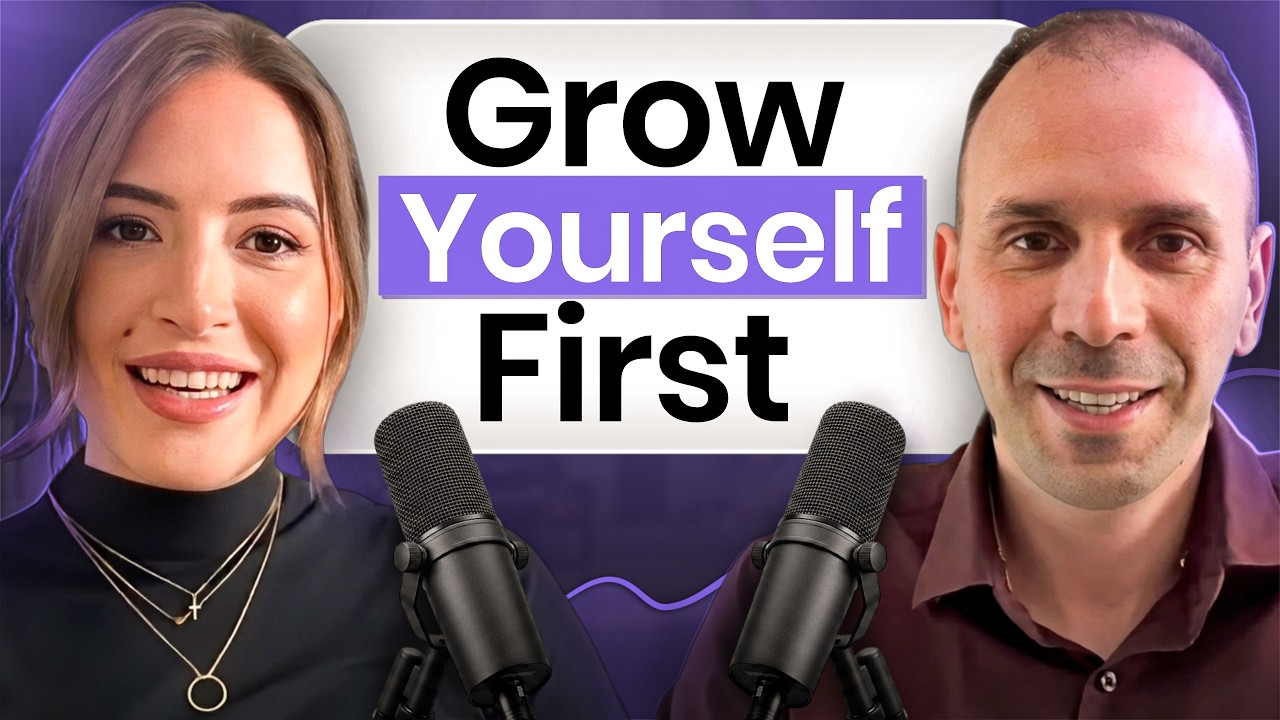
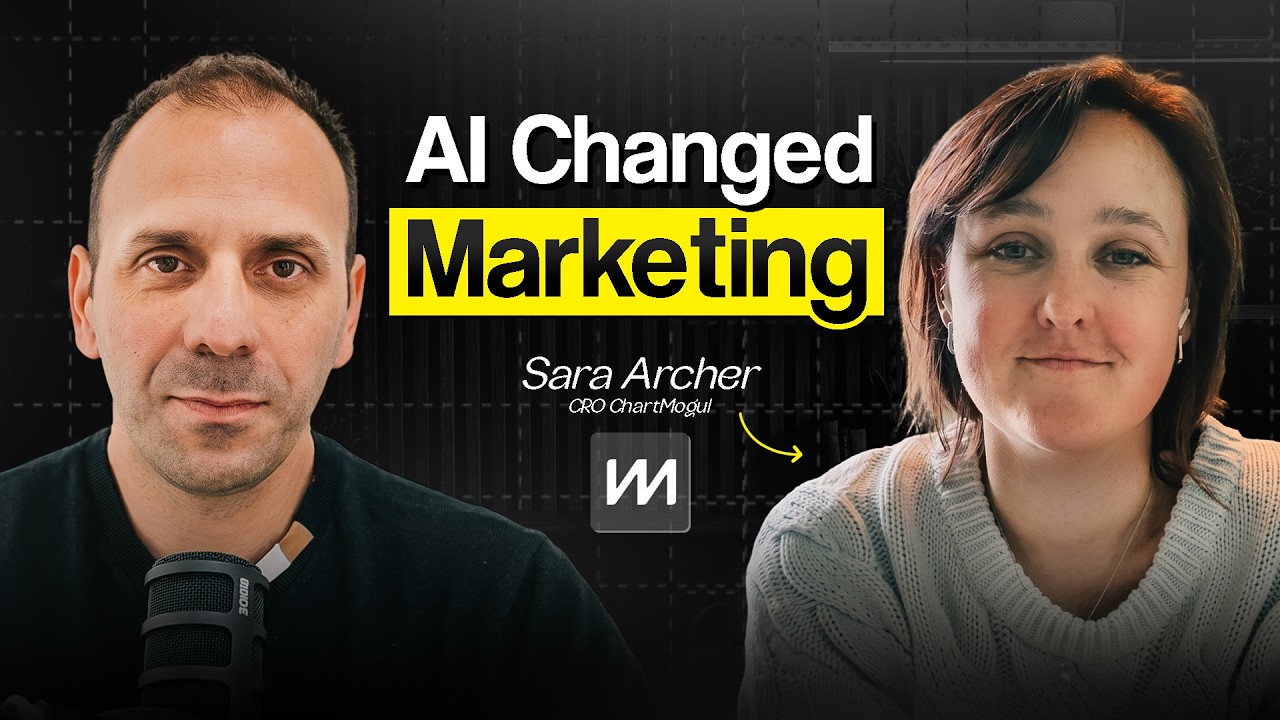
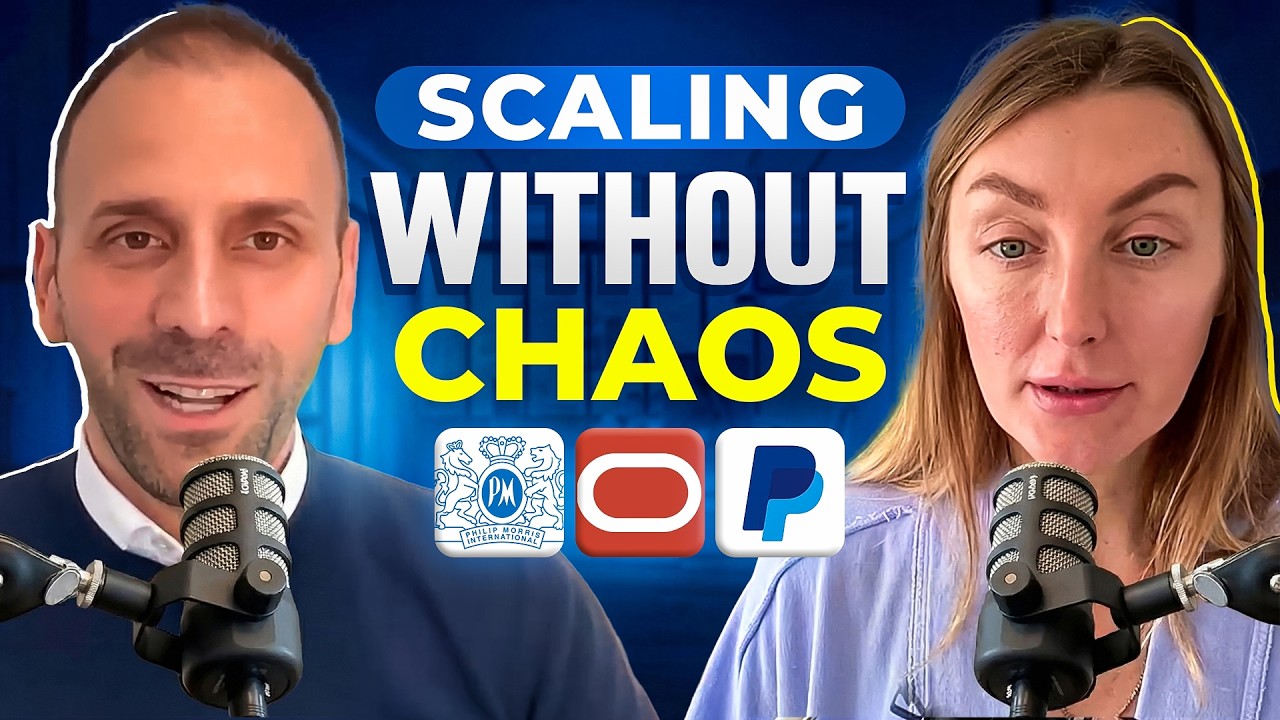
Today's episode will be a bit different because we have the first woman on the podcast and I'm joined by Mina Drazkovic, who is part of the team at Instantly, one of the most widely used tools for outbound and cold email SaaS today. I think in sales especially, confidence isn't about being the biggest personality in the room. It's about being grounded and prepared and like trusting your own ability to figure things out.

The goal is to have like, I guess, different people with different sensibilities within your sales team because maybe someone who's buying from me wouldn't buy from the corporate guy and someone who's buying from corporate guy wouldn't buy from me because I'm not that, you know, corporate. So, I guess it depends. Welcome to a new episode of Leaders of Growth.

I'm Milan Savov, CEO of Smartly, where we help B2B SaaS companies get to the top of air searches and Google and turn visibility into high-quality organic leads and pipeline. Today's episode will be a bit different because uh we have the first woman on on the podcast and I'm joined by Mina Drazkovic, who is part of the team at Instantly. One of the most widely used tools for outbound and cold email SaaS today.

What makes this story interesting is isn't just the role she is in, but is the path she took to to get there. So, her career in sales wasn't linear. It came with a lot of mistakes, learnings, and moments of self-doubt. And I think that's exactly what why it would be different than what like all of us want to hear.

So, Mina, welcome to the podcast and how are you today? Hi, Milan. Thank you very much for for that nice intro. I feel like now I'm you know, pressure's on being the first girl on your podcast. So, but that's nice. You should have more girls.

Yeah. That's that's cool. I feel privileged. Can you just introduce to the people who who don't know you yet? How do you usually introduce yourself today? Ooh. Well, like businesswise, I'm a salesgirl. I'm I've been in sales for for many years now and feel like at this point it's a big part of my personality.

Even like, you know, my friends and people outside work are like, you're never not selling something. Like, and I'm not I don't even think about it. It's not like I'm trying to convince you to buy something or whatever. I'm just very passionate about like when I when I know something's good and that you need it and you should try it.

I feel like it's just it comes out of me naturally. So, I guess it's who I am at this point. [laughter] Yeah. That's really cool. So, before Instantly and sales, is there like anything which you were trying to become professionally before jumping into this path?

Yeah, I mean, I actually started in a completely different universe. I started in fashion and and public relations. I I studied languages actually and then marketing and public relations as well. And somehow ended up living this type of like very Devil Wears Prada at Hassenzahl life, I'd say.

I worked for for fashion magazines and styling and later than PR and diplomacy as well, which is kind of like, I guess, even weirder. But my days were always like full of, you know, deadlines and interviews and events and press releases, like brand campaigns, just making sure that every detail was always perfect and doing all of it while like looking composed and put together, if that makes sense, because a lot of it was about that. So, I guess on paper fashion and diplomacy seem miles away from from SaaS sales, but I think they they actually shaped me in many ways because I think those worlds worlds teach discipline and like pressure tolerance and storytelling and a lot of attention to detail and how to communicate with pretty much anyone.

So, yeah, I think it even even though it looks like two completely different lives I lived or even more than two, I think it makes perfect sense how I ended up right here. And you mentioned that you were in fashion and marketing. And how actually you end up in sales?

What what was the moment which you said, okay, this is something which I want to continue with? [snorts] I think it was just I was doing a job that I wasn't happy with back in the day. There was a lot of I had a very a lot of very bad also work experiences, not in sales, but like in general, which now like looking back at it is I think it it was kind of good in a way because I think it builds character.

So, one of those jobs that I was doing that I wasn't happy with, I thought it was the time for a change and I never even like looked for any sales role. I just like went to like a job board. I just saw some postings and then I was looking at this one job that wasn't even cold sales.

It was just like something and then the skill set was actually like what I had. So, you know, I went like like good with languages, like perfect English, communication, things like that. And I was just like tick tick tick, like I checked all the boxes and I just applied and it ended up being like a pre-sales role, which I realized when I started doing it.

And then after I think one month, like two months in, I was the best I was the top performer in that team in pre-sales. So, they moved me to to inside sales and that's kind of like where I started with fully like selling and closing. And then obviously I just bounced with, you know, from B2C to B2B, which [clears throat] is where I am now.

But from that point onwards, I never ever switched back from sales. So, That's that's pretty nice. So, if I understand you well, you started as a pre-sales person because you know the English very well. Yeah, it was it was kind of like cool.

Yeah, but it was more like a B2C, so more than like SDR, like more like booking meetings for other people, not closing specifically, but yeah, that's that's how it started. That's cool. So, is there like any mistake which you made early that days which like shaped you or influences how you actually work today and become that top performer?

Uh um I don't know. I think maybe um mistakes. I mean, there's definitely I I've made a lot of them, for sure. I can't remember like a specific example, maybe not a mistake. but Like, what was the the main thing which shaped you to become the top performer with that team which you were in?

think yeah, I think it was just like a lot of hard work and never giving up and like learning and evolving and like absorbing everything from everyone else I thought it was good at what we were doing. So, it was kind of like compound skill set of a lot of stuff. And I think in sales you can't expect like 9-to-5 type of work.

So, I think the resilience and relentless was some some were some of the things that I learned that you need to have in sales. However, I did already have those kind of like skills from the other jobs I did before even though they were not sales. So, it kind of came in handy to, you know, do it all.

Yeah. Yeah. Yeah. So, usually when you're in sales, it requires like a lot of confidence, but the confidence comes from competence, from experience, which we usually don't have in the very beginning. So, how did you build yours when you come from the top performer pre-sales to after that in in sales?

Um I think I I like to think that I always had like a healthy dose, you know, of of self-confidence. Not like too much, but not too little. Um it was kind of like um you know, your your you know, the kind of confidence that's steady, but not loud.

I think in in sales especially, confidence isn't about being the the biggest personality in the room. It's about being grounded and prepared and like trusting your own ability to figure things out. And for me, I guess, that confidence grew in layers.

So, it came from experience, as you said. It came from results, from environments where leaders actually acknowledged me that, you know, I did well, from seeing each and also from seeing each chapter of my career become a step forward from the last one. I think that also builds builds a belief and gives you that type of confidence.

But another thing that's not, I guess, um money-oriented at all for me, even though I think that what boosted my confidence the most wasn't just numbers, even though I do agree that numbers are, you know, absolutely matter in in our world in sales. But I think it was more about feedback about who I was at work while I'm doing, you know, this job, sales. Um the way I, you know, handle difficult conversations, difficult clients, like patients, um the creativity, the kindness, the composure.

It's like those moments meant more to me than any commission slip because I think confidence doesn't just come from performance. It comes from like character and from knowing um the way you show up actually matters. Yeah, yeah.

And when you mentioned like feedback, do you have like any Do you have like any person who was following your process, following how you developed as a salesperson, and actually jumped in when they feel that you can do better, but maybe it's like your blind spot? Um Well, I always had um managers and colleagues Yeah, I mean, I think we more did like uh like group um like call reviews and things like that, uh where we could give feedback to each other or someone can give feedback to us. But I think um sales is very individual thing, you know, it's not It is a team effort, but at the end of the day, every single one of us is doing their own calls and their own stuff, and we're all different.

We all have different sensibility, the different way of communication. For example, I'm I'm more like emotional seller. I think that's what they call it. Um even though and I'm good at it, but I also have colleagues that are like very corporative type of like sales people, like straight to business, and they're also great at it.

Um and I think the the goal is to have like different I guess different people with different um sensibilities within your sales team because maybe someone who's buying from me wouldn't buy from the corporate guy, and someone who's buying from corporate guy wouldn't buy from me because I'm not that, you know, um corporate. So, I guess it depends, but um I always got advice when when I always like to ask as well. So, um I can't give you like one advice that I got that was like super like changed my, you know, the trajectory or whatever.

And I also think that sometimes you need to go through the things and like knock your head to the wall few times to actually be like, "Hmm, something needs to change here." Like to to actually see your own mistakes. So, I think that also counts. You you can't really become excellent without those things happening to you.

Yeah, yeah. From my experience, when I review a sales call, which I did, I usually can find few things which I can tweak in the next call. And after just doing that on a constantly basis, it it improves you a lot on a long term.

So, maybe you will not see the results soon, but then after three, five, 10 new calls, it will definitely shape you to be better. And uh I must say here that usually the some myth is that sales people should speak a lot, but that it's actually listening. Yeah.

How How much you actually listen actively, you you're better at understanding the the person and help them actually solve their their main pain. That's cool. So, uh usually sales and SaaS are like very male-dominated. How do you How do you handle that or how do you first feel that when you get into the sales?

Uh well, yeah, I think you you you you feel um that in the moment like you walk into most SaaS environments or industry events, there there are simply more men, you know? Leadership rooms, mostly men. Panels, mostly men. Sales floors, heavily male-dominated.

Um but it's not always hostile. It's just uh visibly uneven. That's what I would say. And when you're a woman in that type of environment, you're aware of it, not in a like fearful way, but more um in a way like, "Okay, so I'm going to have to prove myself a little bit louder." type of way.

So, I guess that um right now, for example, I'm the only girl um on on our sales team. I'm in all boys team, and I'm loving it, and it's not for like any specific reason. It's just that, you know, my company we're like pretty big and um um the type of sales people they're looking for and needs to check some of very like important boxes.

They're hard to find. So, I feel like probably right now it's harder to find all of that in a girl, which is why we don't have many. But across our entire um company, we have many, many girls. It's not like any kind of discrimination.

It's just that um for, you know, whatever reason, um I ended up being right now the only girl, but I'm not feeling it right now, honestly. Um I feel fully supported. Uh I even prefer it this way. I don't know if any other girl joins, it wouldn't be the same anymore.

It's like, you know, I'm a premium team member. Yeah. [laughter] So, there is like no any pressure to behave differently than the rest. It's completely the same, no matter the the gender. Yeah. That That's great. And uh like is there any moment when you felt like you you were underestimate, maybe from the very beginning or it's like from all the time like like you're explaining?

Um Yes, but not I guess in the dramatic way people would imagine. Uh for me, it kind of showed um up in subtle choices. For example, very early on, I remember I decided to show up as me, you know, as not as this performance version of uh what a woman in sales should look like on calls, on demos, whatever.

Um so, I I kind of like always do the demo very barefaced, zero makeup, like hoodie on or like just a plain T-shirt, just, you know, real and focused on on competence, which is what matters most. Um not because anyone asked me to kind of like tone myself down ever. That never happened to me.

But because I never wanted the narrative to be, "She's closing because she's pretty." or "She has it easier because she's a girl." I just thought um I didn't want anyone ever to have that option of saying that because, you know, it was never true. So, I wanted to be undeniable that results um came from skill, from discipline, from consistency, not stereotypes or or assumptions. So, I kind of like just removed the distraction and let the, you know, ability speak.

And honestly, it works for me. I still operate on that way. But um it's also kind of like for me removes um any unnecessary uh waste of time during the day. Like, you know, when I wake up and I have like 12, 15, whatever number of demos a day, the last thing I want to think about is how I look or, you know, "Am I wearing enough makeup?

Or am I like dressed? Or like the way someone is expecting me to be?" And honestly, like the clients our clients, at at least they don't care. They're They're there for help. Well, if you provide them with expertise and what they need, they don't care what you look like.

Yeah, I think that these are mostly like your beliefs. If you occupied with all of them, you will be definitely bad in the conversation. But if you put them aside, then you're relaxed when you when you enter into the conversations.

And do you have like any advice? Maybe you're noticing in some other organization that this is not the case which you are having right now at Instantly. How they should support women in sales roles? [snorts] Um Well, I I think that a lot of companies in general, um like I'm excluding completely my company out of this story because that's not the case with us, but but in general, I think um uh diversity is um hiring statistics, you know, like we have women, we have international talent, we have different cultures.

That's great, but inclusion isn't just about uh presence. It's about experience as well. do women feel respected? Do they have equal earning opportunity? Are they promoted um at the same pace? Are they visible in leadership? Are they invited to actually like into strategic conversations with making decisions and things like that?

So, I think um even though, as mentioned, I'm the only woman in my team, the company as a whole is incredibly diverse, like different cultures, different backgrounds, um women across multiple departments, and, you know, one day I'm hearing about um a colleague told me the other day he's getting married, and so I was listening about um Desi weddings in India, and the next day I'm, you know, learning about uh food in Latin America. So, um I think that's beautiful. I That's I think that's kind of like inclusion lift, not marketed.

But globally in SaaS, I'd say equal pay, equal recognition, um equal visibility definitely need need work. Yeah, yeah, definitely. So, if companies are just like supporting them to be mostly on the leadership, on strategic discussions, and again to be equal with the raises, with the improvements in the career, then they they will have like good good moment with the whole team.

Yeah. That's great. Uh let's discuss a bit about Instantly. Uh you probably talk with a lot of users on a daily basis. So, what's like the biggest misconceptions they they have about the cold emails? Uh Well, I think everyone would expect uh me or anyone to answer that cold uh email is dead.

But I think the biggest misconception is that a cold email is um not um a magic button. Uh well, the misconception is that it actually is a magic button. Because people think they they they'll sign up, they click start, and suddenly like money will fall from the sky.

I, you know, cold email works incredibly well. It it's, you know, a fact. But it's strategy. It's not like a lottery ticket. Uh it's not like you press and you hope. It's research. It's positioning. It's relevance. It's um understanding the human on the other side of um the screen.

Um I think the tool amplifies um not Instantly, but any tool, whatever you bring into it. So, if you put in clarity, if you put in discipline, if you put in like strategy, it performs beautifully. But, if you put in chaos, you get chaos out of it.

So, it is what it is. It's very similar to our service because first the the myth which is SEO is dead. [laughter] There is very popular. But, again, when like non-educated people are coming to call, they also expect like one-month strategy and then organically it will just book their uh book the calls with them very very often, like you said with the cold emails.

So, I think it's mostly across every marketing or outbound channel. The same misconception. Uh and what are like the most common mistakes you see when someone starts creating the campaigns or become a user at Instantly? I think one of the the first one that comes to mind is patience.

Like, people run one campaign for like 2 days and they don't see miracles and then they declare everything broken. You know, cold email is kind of like iterative. You test, you adjust, you refine, you repeat. The people who win actually, you know, treat it as a craft, not like a slot machine.

So, you can always tell who's in there to just like get money out of it and who really has appreciation of the craft and who's willing to put in the work in in testing and optimizing and and seeing uh you know, the results multiply. Obviously, if if you if you're a founder and like you know, um you you don't have time to deal with all these things, you can just hire uh people to do it for you. At Instantly, for example, apart from like tool services that you um just purchase a subscription and use the the tool features, we also offer those.

Like, you know, we even have like a fully managed service. We have the account management program. So, you basically get experts from Instantly helping you with this or even doing it all for you. If you if you don't have time or if you because outbound is is tricky and it's changing very like rapidly.

So, you there's always new things you need to learn. Um it's not the same as it was like 5 years ago or even a year ago. So, what you have to do is adapt. So, if you don't have time to dive into like outbound deep and like learn everything, you can just skip all that um time of learning um and just give it to someone who's an expert to do it for you.

Participate in the process, you know, take all the knowledge, absorb everything, and then in few months from now, you might be able to do it yourself. Yeah. Can you share like some example of a good flow? How exactly everything should look like so we have at the end successful campaign which constantly generate pipeline.

I mean, you um there's a lot of things, obviously, that affect What's the first thing you have to do before even starting? What's like after that? If you can walk us through the I would I would say I would say don't like over-optimize technical tricks.

Like, you know, subject line hacks, exact word count, should I use emoji, should I not use emoji, which one, should I send that like 10:07 or 10:09? Um I think people over-obsess over like micro details and ignore fundamentals. What do they actually ignore, which I think is very important.

Uh relevance, clarity, targeting. Because, if your email isn't speaking to the right person about something um that genuinely matters to them, there's no clever subject line in the world that can save you. So, there's a lot of things to be aware of like the infrastructure, to have enough domains and mailboxes to send the volume you're sending, warm them up, get good quality leads.

Obviously, tailor your offering, the copy towards the person you're sending it to. Um just don't overcomplicate it. I think um when you kind of like have a good product, good product market fit, good offering, and you nail all these technical aspects of of it to actually land an inbox, you're you're good.

Uh the results will come for sure. So, you're saying that you shouldn't complicate overcomplicate it the very beginning with the headline and the text? Just have the clarity before with your ICP targeting, everything, then set up enough emails, email boxes, so you can actually set up the infrastructure.

After that, start rolling the the messages and then optimize them properly for compelling copy. Yeah, because I don't think most people have an email problem. They have a positioning problem. Mhm. So, if you solve if you solve that, then obviously, and you you need a tool.

You can't do it manually. So, um is it Instantly or any other tool on the market, you definitely do need some kind of automation to to make this happen on scale. And how usually people knows notice that they have positioning problem and what's the next thing which they should take to actually fix the positioning?

Uh experimenting, you know, instead of like complaining it's not working. Um you need to kind of adapt. So, not panic, just like try different things. Um analyze a lot, do your research. it's it's the collaboration between you and the tool at the end of the day.

You have to listen to the feedback, adjust the messaging, refine your targeting, and you know, treat it as a living system. I think uh people who blame the tool actually usually just want shortcuts. Mhm. And short and shortcuts really build That's interesting point to you.

long-term results, right? So, it's a no-brainer. So, you know, um I think you should start with targeting always. And if you talk because if you're talking to wrong people, even perfect messaging won't help. So, the messaging has to be clear, human, relevant.

Um you know, does it respect uh the reader's time? Are you selling value or are you just um shouting features? All of that. But, also the mindset. I think uh cold email is resilience at the end of the day. You're going to get you're going to get ignored.

You're going to get a lot of no's. And if you treat every response like validation of of your existence, you'll you'll burn out. The people who do best uh see cold email as a data in a way. So, that's the way to go. Mhm. Yeah.

Yeah. That that's really nice point of view. And like what does like a good performance at the end looks like? How do you measure what success looks like from the campaigns? Um I think a good performance in outbound um looks like a predictable movement forward.

Um so, not not like a viral one-time miracle, you know. It looks like clear reply rates, like high reply rates, steady booking trends, improved relevance over time, compound um learning. Um and well, I think it's one of the most important points is like fewer random wins and more repeatable wins.

Because, if you can't replicate something you did successfully um and you can't repeat it and you only had one successful campaign like 6 months ago, You're talking about bad. It's still just one campaign. Yeah. You have to to build a repeatable process.

So, yeah, it's about building something stable enough that you can rely on it. And I think the best outbound um uh programs, they they don't like spike. They're sustained. It's It's like that in our in our job as well, as a salesperson.

You don't want to have like one great month and then like all the others like, you know, bad. You want to be consistent in whatever like your quota or ARR, monthly MRR, whatever it is, you know, on a monthly basis. Um you just want to obviously going to have some months that are like better, they're like wow, some they're like a bit worse.

But, there should be some type of like consistency there to actually, you know, to call to be able to call yourself good. Because, like one-hit miracles, they don't really survive for a long time. Yeah. Can we just um discuss a bit more here the the discipline, the relevance, but in the team in general?

What happens when someone from your team actually performs some months best and there person people in the team who who don't have results? How that works in bigger organizations? Are they actually helping each other to find that pattern or Yeah, I mean, you know what company I work for.

We're all good. Like, my team is probably the best team I was ever not probably, definitely the the best team I was ever part of. And all of them would say the same. I don't know what uh Jason, our our manager or head of sales, is doing when sourcing these people.

Um he's very picky, obviously, as he should be. But, all of us are different in in terms of like sensibility. We'll be all we already discussed like how we sell, how we communicate, what's our vibe, you know. But, we're all good at what we do and we all learn and absorb from each other.

So, whenever someone is having like a super successful month in terms of like selling one For example, last month we had a guy one guy sold I don't know, most VIPs, like the fully managed services. And then there was one guy who's consistently closing most in in software alone without the, you know, um the services. So, we kind of like focused on what are they doing differently than us to unlock that potential in, you know, some of the leads maybe we we missed or didn't close because we didn't do this or that.

So, it's it's all about like exchanging ideas, strategies, um tips and tricks. But, also I, for example, I don't approach sales as like with strategies. The For me, it's just like I show up, do my best. I I don't strategize about how I'm going to pitch you.

It's It's all like very spontaneous and very organic. And I think they're doing the same, which is why sometimes when when even when I had like some more successful months, when they asked me, "What did you do differently?" I I can't pinpoint a thing that I did differently or something that was completely um experimental or I don't even know. So, I can tell it to, you know, other people.

We need to go back to the calls and like see was there anything, you know, any detail that I did or said or, you know, to to make most closes that month. So, sometimes it's I I always joke about sometimes some people don't are not even aware how good they are. Because I think it just comes from within.

And I don't think sales is like something a discipline or something you can just sit and like take a book or a notebook and just learn. Um a lot of it has to do with the personality and um the way you just approach people or approach selling or approach like who you are. Because sometimes people most time people feel it.

So, if they feel like they're talking to a real person on the other side of the screen and that you don't care will they buy or not, which is mostly the case. We have so many demos and we have so many um luckily inbounds that um we're not shaking before every call will this, you know, guy pay at the end. Um and I think that that attracts because people just need your expertise and they want you to help them.

And when you help them, they will they will trust you and they will they will buy. So, there's no any hidden agendas there. Yeah, that that's nice. And how long actually people realistically give a campaign before they decide is it worth to continue my or maybe they should change something?

Well, I think longer than most people think. Um I think you need enough data to to judge fairly. Um and that means several thousands of sends. In In our case, we we do recommend um 25k of emails sent monthly as kind of like proof of concept for people who are just starting.

Sorry? Just to have the data 25k per month? Uh two No, like that that would be like your proof of concept like test to actually see the results. Because if you go with a number that's too small and outbound is a game of numbers, you wouldn't see that much return on investment or traction.

So, 25k is a number that's not too big, but also not too small for you to see some kind of results. Obviously, there are exceptions, but it depends on your product, on your product market fit, on your offering. There's there's many many things that that, you know, kind of like affect what results you're going to end up with.

So, from what we've seen, like 25k is the number we personally recommend. Um also multiple variations tested like AB test always um time for warm-up and ramp-up as well. And um time to kind of like iterate based on results.

So, you always track what's going on and then you make tweaks based on like, "Okay, people preferred this subject line to this. Let's ditch this. Let's use this one and what similar to this can we now come up with to kind of like test again?" So, it it takes time.

It takes time. There's no like specific number of weeks or days. It really depends what you're selling and who are you selling it to because, you know, some sales cycles are longer than the others. But yeah, this is like what I would say.

And there are some time which are smaller. There there is not 25k companies for for someone, but Yeah, they Yeah, that's that's 25k of emails, not companies. So, that would be like around I'd say 10 maybe around 10k of contacts that you will send multiple steps to.

Let's call it that way. Yeah. And let's imagine that someone already is running cold emails, but is struggling. So, where they should look first just to maybe find what's not working. Um I think they should First of all, I I guess education is is a problem with most of them.

So, they don't know where to even start with because they're not educated about outbound enough. Because if my campaign is not working, I would go look at the stats. I would look at um are they landing in inbox first of all?

Because if they're not landing, I mean, it's very obvious why people are not booking meetings or replying because they're not seeing them. Then I would go to to check the quality of leads. I would use leads that are always verified.

Because if you're just using leads and you have high bounce rates because the leads are not good quality, then again, that's, you know, uh as they would say ala poubelle, trash. Like you you can't really use that. Um then obviously, the quality of copy matters as well, but I I I think that what you should prioritize would be the technical things at at in the beginning just because whatever copy you have doesn't matter if it's not landing in inbox.

Yeah, so you have to like sort out all of those things first. Um and if you don't know, you need to educate yourself first. So, are you going to hire someone? Are you going to go and watch I mean, we have super useful YouTube channel, for example.

So, they can go watch a lot of like masterclasses, like, you know, tips and tricks. We even have one with Alex Hormozi. So, like there's a lot of resources out there that will literally help you and tell you everything that I just said, even more than that probably.

So, you can do that. Um or you can um you know, get on one of the kind of like dedicated services type of plan where you would actually be working with someone who's an expert on it and then you will learn firsthand how to like for problems not to happen or for um things to like to pretty much be set up for a success. Because if if you're set up for success, meaning all the technicalities and like all the the do's and don'ts are respected, you're halfway there.

Maybe even more. And then it's just about like tweaking and optimizing to find, you know, to crack that code of what makes your ICP reply and book a meeting. Yeah. The thing which you said, hire someone dedicated, learn the process is something which Alex Hormozi is actually mentioning in his book 100 Million Leads.

Because if you hire the best and extract his knowledge, you will have his 10 years of experience maybe of something in two three months. And that's that's the beauty of hiring people who are experts in in something. Uh that's really good.

I think you you share a lot of useful information here about the outbound outbound where should where should you look if you already started? What are the mistakes? Uh let's just reflect a bit on the on the sales and what has like a sales taught you about yourself as a person?

Um I think um sales reminded me a lot of who I am at my core. Um it taught me that I'm relentless, that I don't give up easily, and that like persistence can be strength if it's directed well. I think um it showed me that I um am someone who never compromises on values, integrity, or like how I treat people.

And no matter how tempting any like shortcut short shortcuts might uh look. And I think it showed me also that loyalty, how like how deeply loyalty means to me. And um I that's how like that's how I operate. I always stay in the environments that like challenge me, grow me, and like treat me fairly.

So, if I'm trusted, if I'm supported, and surrounded by people who want to build something meaningful, I'm like all in. I don't like I don't know how to give less than like 150%. So, I think that's the kind of like what what There's probably way more learnings I could I could tell you, but uh also I think one of them um if we if we reflect on some that are like kind of bad maybe, would be um boundaries.

Like having boundaries. I think that's super important in sales and in life, but at the beginning of my career, I was like the person who would say like yes to everything, you know, to be um kind of like uh always available, always um there when someone needs me. Um it's it's kind of like hard.

It's hard because uh you you kind of like um do too much. Um and sometimes that's not kind of like the way the way to do it. And obviously, I didn't grow like I grew into sales. It's not like I woke up one day and said I'm going to work in sales sales someday.

So, I think uh it takes time to prove yourself and to learn and to always evolve. Because even now, I feel like there's so much to learn. There's so much to, you know, even looking at other guys from my team, I'm like, "Huh, you know, I like the way he's doing that.

Like how do I do it, but in my own way?" So, it it's kind of at the end of the day always like makes sense. And going back to my my origin, like how I started uh with them all the different jobs and industries I've been a part of, I think um um I guess PR it teaches you narrative, right? So, you you do you do that.

And then like fashion teaches you like creativity. And then diplomacy teaches you like listening and positioning. I think sales is all of that. It's just with a revenue outcome attached. So, I think, you know, it's kind of like the natural evolution of everything I was already doing.

And it took me a while to get there, but I would never go back, honestly. I think um I'm right where I need to be. And I think this was the way. I think you you know how they say it's always like um the universe is guiding you and there's always a bigger picture that you don't see.

I think there's a quote of Steve Jobs that says like you can't really um put the pieces together looking forward just when you're looking backwards. Yeah, yeah. That's that's the way I feel about my my career and everything that happened.

Because it was not an easy road. Um and uh there was different versions of myself through all of it, but um it was always the same. If you I think if you like put all the managers or like directors or owners for every single company, not in sales, but like from from the beginning of of my career, if you put them in the same room, I think the core skill set and the things about me, they they were always constant, always the same.

But if I go back and think about that those different versions of me, the fashion girl, you know, the PR girl, the diplomacy girl, I hold hand with all those versions of myself now. Not because they were like bad or problematic or lost or wrong, but because they carried weight they pushed through uncertainty and never quit even you know, when things were uncomfortable and God knows I've been into a lot of uncomfortable jobs and situations. So I think those versions like of me walked so this version could stand where I am today with the company I am with today, which is honestly a dream come true.

So Um, yeah, I'm kind of like proud of them. Yeah, well I think that's actually these younger versions of yourself helped you actually shape who are you today. So you created the identity by your experience in the past. And where when we're here, if you can share like one advice to your younger self, like what what would you tell her?

[snorts] I probably I probably start with you're doing amazing sweetie. [laughter] Like you know, the full mean girls energy empowering. Yeah, but honestly I thank her. I I I thank her. Like when I look back all I all I can say is thank you because I know how hard it was, you know, switching from like different industries and you always like when you switch you always are starting from the ground up and you have to build and then I built something and I'm like well known or respected or whatever and then I switch again.

So again, you have to start from zero up. It's I mean I think it's like that with every company, but it's even more difficult if the companies and are like different industries completely. So you're unknown. You're you're not comfortable.

You're not but I do also believe that um, I kind of like like that you know, it's it's it's about continuing to move forward. Like refine, like expand whatever without ever saying this is enough. I'm done learning. I think it's about celebrating little wins even even the small ones, but not letting them make you complacent.

Let's stay in curious always. I always joke about saying like curiosity never killed the desk cat ever. So you know, staying staying humble, staying disciplined and and and that's kind of it. I think all versions of me had that.

It's just that I was probably lost in some moments and I didn't know what I'll end up doing because sales was never on the map for me. It was never like something like oh I would like to do sales. I was perfectly happy doing other stuff as well because I did have multiple talents and I was good at you know, these other things as well.

But I'm I'm super happy I ended up right here. That's great. And I really like the part with with setting up the boundaries, which I think is really important in life. We're coming to the end. So do you have like any maybe thoughts or advices which we didn't cover and you want to share to people in SAS who who are actually doing some without bound?

Like advice in in terms of like outbound like cold emailing or advice regarding growth in general? Yeah, it could be both. Whatever you you want and whatever you think is something which you want to share. [snorts] Well generally in general I would say like growth to me means evolution without losing yourself.

So never compromising on who you are, what you stand for. For me those things were always you know, like honesty, integrity, transparency, loyalty. So I would never there there's also I'm I'm sure you know Josh Brown. There's a quote of him that I that I like really like.

He always says sell without selling your soul. So that's something I I really live by. And when it comes to to instantly and to to outbound in general, I would say you have to put in work. You have to put in reps. You have to like like with anything in life.

If you want it and if you if you're really serious about it, it's doable. I don't like you know, you move mountains like they say to to to make something happen if it's if it if it's meaningful for you if you know, if you want to do it. If you give up that easy, then it's not that important or it's not your priority or like you can you know, whatever excuse someone gives like I I can poke holes in it.

I mean I think it's part of my sales DNA, but I think you you have to put in reps. It's something I called I call sweat equity. You know, you have to do it. You have to test. You have to maybe even burn some money before seeing some big results, but but in in those periods of like burning and like learning and making mistakes, you will figure out.

You will figure out what what's you know, what's the best what works for you and then obviously the results will just multiply, but sometimes you have to be in that kind of like uncomfortable phase and phase that you don't always feel like winning, but um, I always think of it as it's a pre-phase to you actually winning. So you have to go through both. Yeah, yeah, exactly.

So like anything in life, if you don't maybe put a little bit risk, energy, time and money, you can't do anything. Yeah, there's nothing about the risk. Nothing about the risk. That's great. Mina, so we're wrapping this episode.

I really enjoyed the conversation and I think there is a lot of values for people who will watch this especially with the outbound and the personal growth as as a sales person because it's not always about the sales, but there is multiple experience in the past which can shape you actually become better in in sales. example of of a sales person. Yeah, yeah.

But you know, I think I always like to think it makes me unique because in every company I think in every team I there was no one like me. So it's kind of like endangered species. [gasps] Yeah, that's great. So this was it of this episode of Leaders of Growth podcast powered by Smart League.

I'm Milan until next time. Keep leading, keep scaling and keep growing. Bye-bye.